Author: inforedshiftautomation@gmail.com

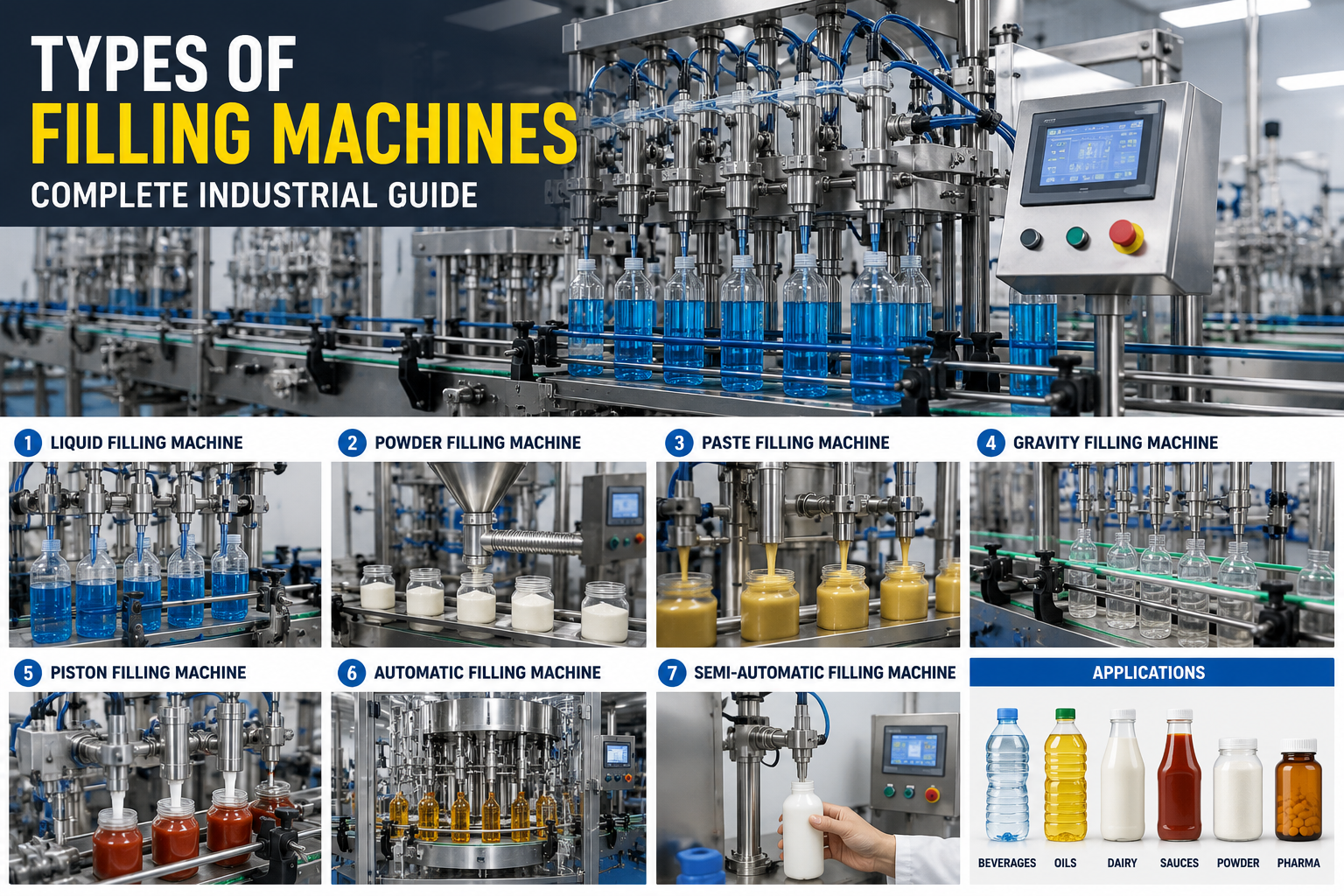
Types of Filling Machines: Complete Industrial Guide

Filling machines play an important role in manufacturing industries by accurately filling products into bottles, containers, pouches, and packages. They help increase production speed, improve accuracy, and reduce manual effort. Selecting the correct filling machine depends on product type, industry requirements, and production capacity.

This guide explains the major types of filling machines used across industries.


What is a Filling Machine?

A filling machine is industrial equipment used to fill liquids, powders, granules, creams, and other materials into containers automatically or semi-automatically.

Industries using filling machines:

  • Food & Beverage
  • Pharmaceutical
  • Cosmetic Industry
  • Chemical Industry
  • Oil Industry
  • Packaging Industry

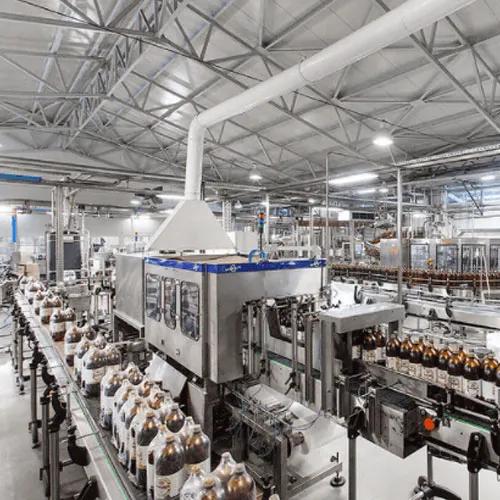
1. Liquid Filling Machines

Liquid filling machines are used for water, juices, oil, syrups, chemicals, and beverages.

Common applications:

  • Water bottling
  • Edible oil
  • Juice packaging
  • Chemical products

Benefits:

  • Fast filling process
  • High accuracy
  • Less product waste

2. Powder Filling Machines

These machines fill powdered products into containers.

Examples:

  • Milk powder
  • Flour
  • Protein powder
  • Pharmaceutical powder

Benefits:

  • Accurate dosing
  • Reduced contamination
  • Better packaging efficiency

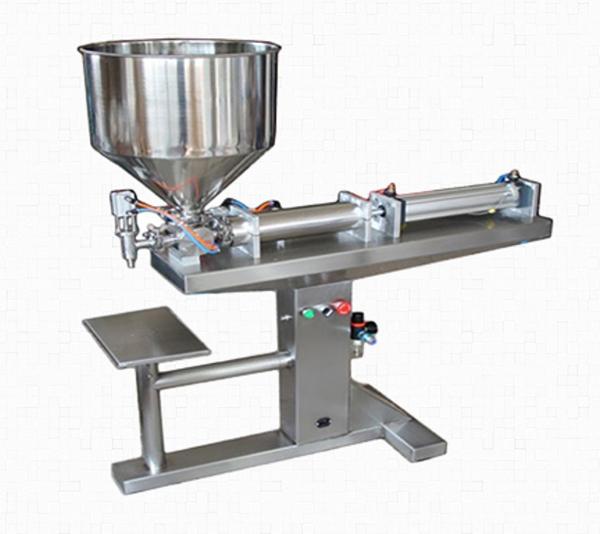
3. Paste Filling Machines

Paste filling machines handle thick materials.

Examples:

  • Honey
  • Cream
  • Sauces
  • Gel products

Benefits:

  • Handles viscous products
  • High consistency
  • Reduced wastage

4. Gravity Filling Machines

Gravity filling machines use gravity force for filling.

Best for:

  • Water
  • Thin liquids
  • Low-viscosity products

Advantages:

  • Simple design
  • Low maintenance
  • Cost-effective

5. Piston Filling Machines

Piston fillers use piston mechanisms for accurate filling.

Best for:

  • Paste
  • Cream
  • Thick liquids

Advantages:

  • Precise filling
  • Adjustable volume
  • High speed

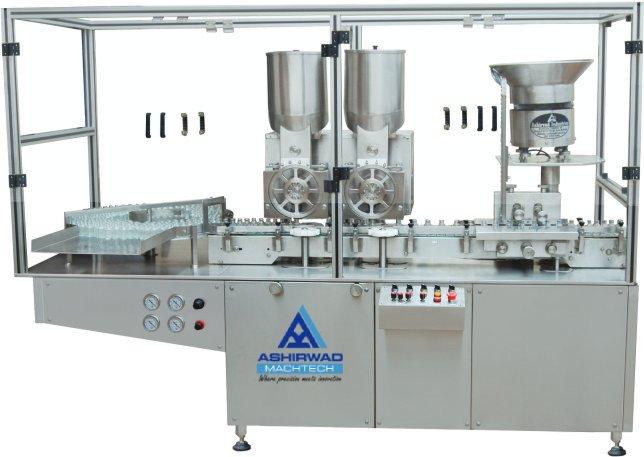
6. Automatic Filling Machines

Automatic machines require minimal human involvement.

Features:

  • PLC control
  • Sensors
  • Conveyor integration
  • Touchscreen operation

Benefits:

  • Higher production speed
  • Reduced labor cost
  • Improved efficiency

7. Semi-Automatic Filling Machines

Semi-automatic systems require operator support.

Suitable for:

  • Small businesses
  • Medium-scale production

Benefits:

  • Lower investment cost
  • Easy operation

Factors to Consider Before Choosing Filling Machines

Before purchasing:

✔ Production volume
✔ Product type
✔ Filling speed
✔ Automation level
✔ Budget
✔ Maintenance requirements


Benefits of Industrial Filling Machines

  • Improved productivity
  • Reduced manual work
  • Better product consistency
  • Less material wastage
  • Faster packaging operations

Conclusion

Filling machines improve industrial packaging efficiency and production speed. Businesses should select filling equipment based on product characteristics, industry requirements, and operational goals.

The right filling machine can significantly improve workflow and reduce operational costs.
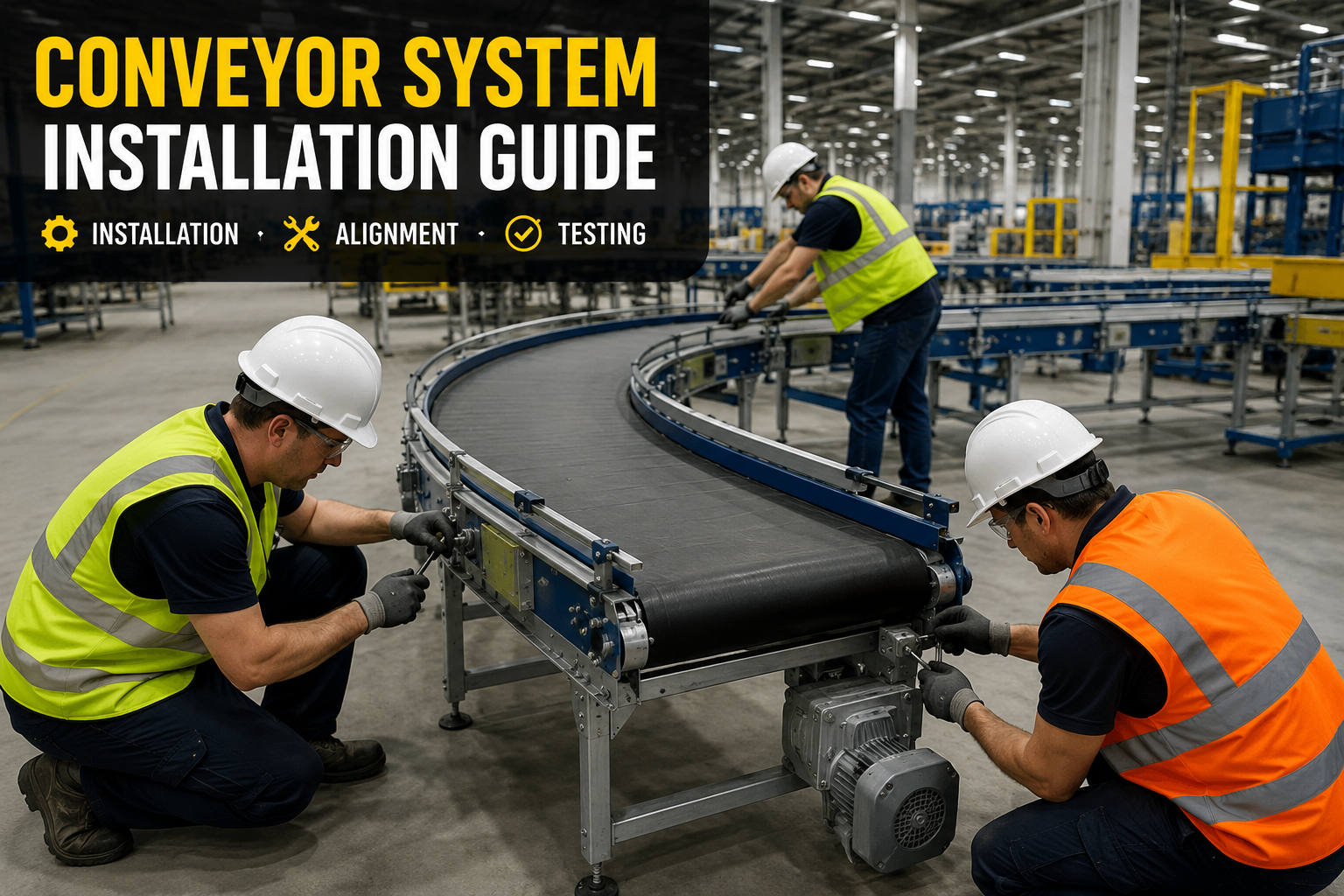
Conveyor System Installation Guide

Conveyor systems are one of the most important components in modern manufacturing and material handling industries. They help transport products efficiently, reduce manual labor, improve productivity, and streamline industrial operations. Proper conveyor installation is essential for smooth performance and long-term reliability.

This guide explains the complete conveyor system installation process, important considerations, and best practices.


What is a Conveyor System?

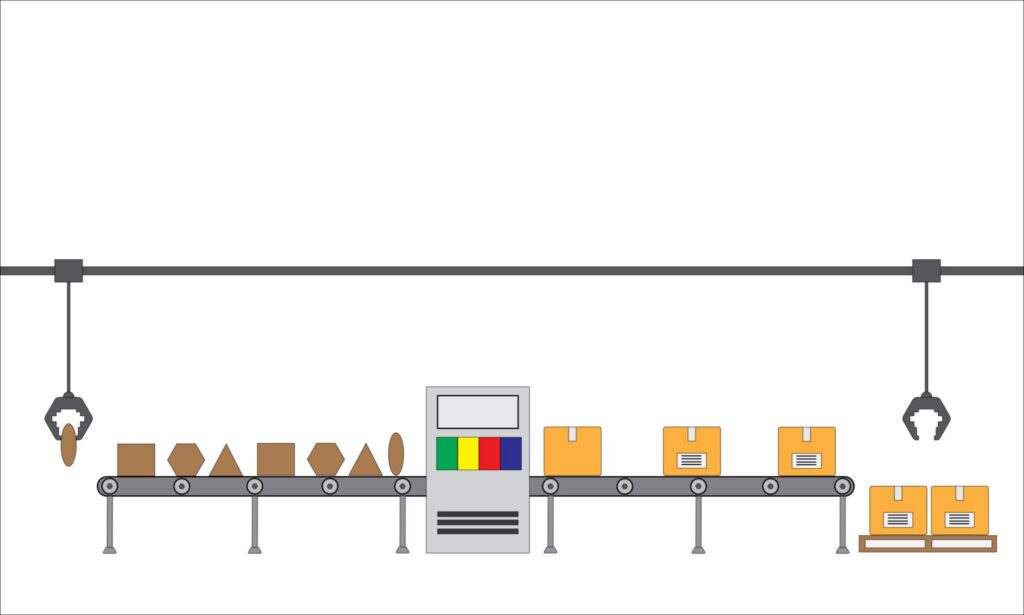
A conveyor system is a mechanical handling equipment used to transport materials from one location to another. Conveyor systems are widely used in industries such as:

  • Manufacturing
  • Packaging
  • Warehousing
  • Food Processing
  • Pharmaceutical Industry
  • Automobile Industry
  • Logistics

Using conveyor systems helps businesses improve workflow and reduce operational costs.


Types of Conveyor Systems

Before installation, selecting the correct conveyor type is important.

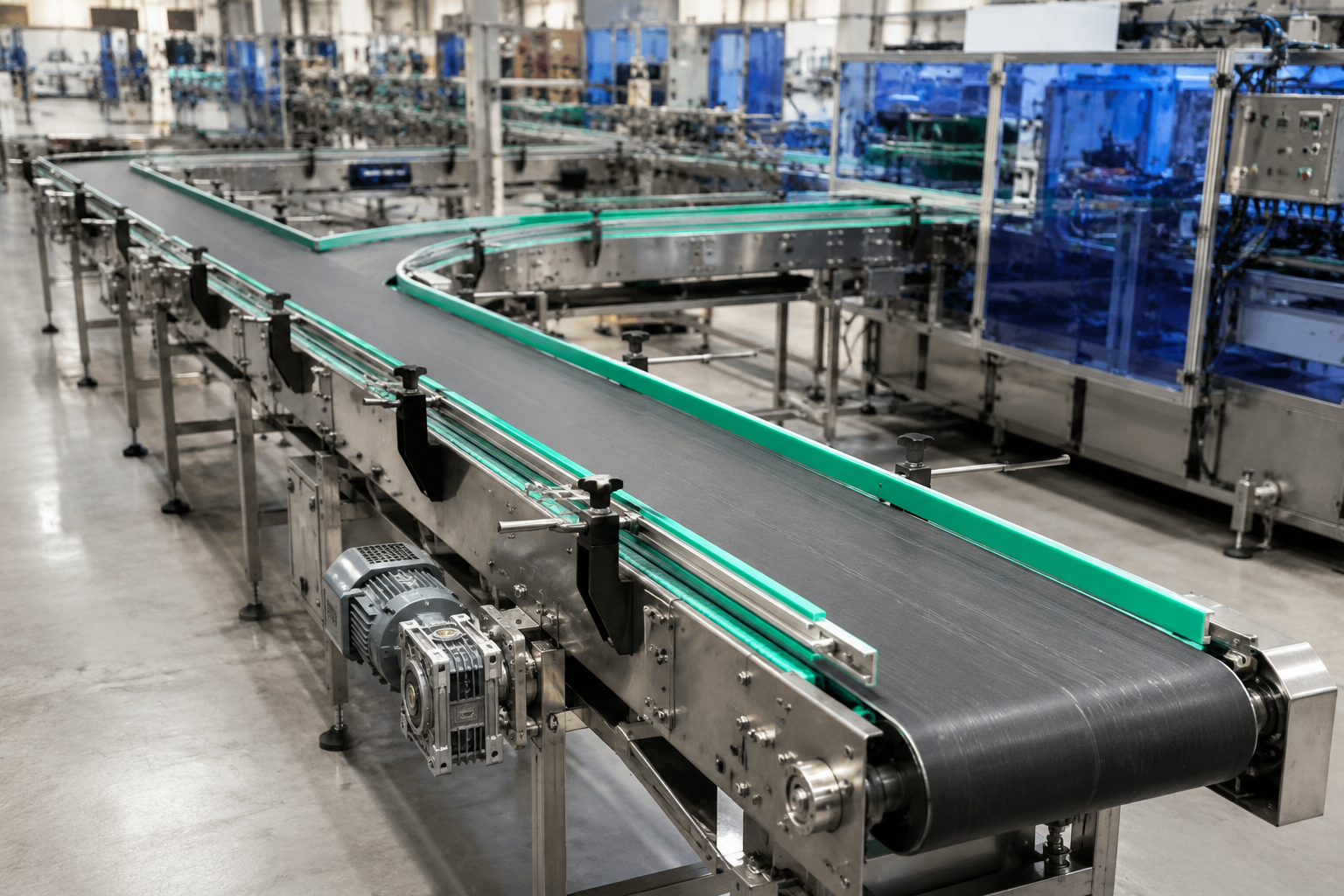
Belt Conveyor

Uses continuous belts to transport materials.

Best for:

  • Boxes
  • Packages
  • Lightweight products

Roller Conveyor

Uses rollers for moving products.

Best for:

  • Heavy goods
  • Warehouses
  • Cartons

Chain Conveyor

Uses chains to move products.

Best for:

  • Heavy industrial materials
  • Pallets

Screw Conveyor

Used for transporting powder and bulk materials.

Best for:

  • Food processing
  • Chemical industries

Step-by-Step Conveyor System Installation Process

Step 1: Site Inspection and Planning

Before installation:

  • Measure available floor space
  • Analyze workflow requirements
  • Check power availability
  • Identify load capacity requirements

Proper planning reduces future operational issues.


Step 2: Layout Design

Create a conveyor layout according to:

  • Production flow
  • Machine positions
  • Entry and exit points
  • Safety standards

A proper layout improves efficiency.


Step 3: Foundation Preparation

Prepare installation area:

  • Ensure flat surface
  • Remove obstructions
  • Check floor strength
  • Mark installation points

Poor foundation may cause alignment problems.


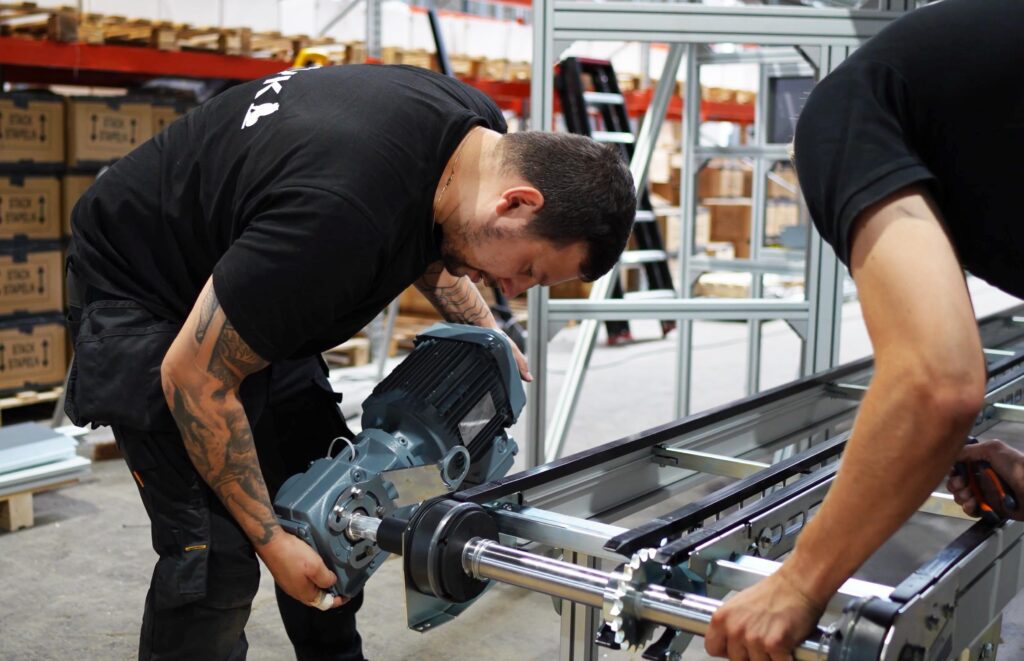
Step 4: Assemble Conveyor Components

Install:

  • Frame structure
  • Rollers
  • Conveyor belts
  • Motor assembly
  • Support structures

Follow manufacturer specifications.


Step 5: Electrical Installation

Connect:

  • Control panel
  • Sensors
  • Motors
  • PLC systems
  • Emergency stop buttons

Electrical setup should be done by trained professionals.


Step 6: Conveyor Alignment

Proper alignment is critical.

Check:

  • Belt tracking
  • Roller positioning
  • Frame alignment
  • Motor calibration

Misalignment can reduce conveyor life.


Step 7: Testing and Inspection

Before operation:

  • Run empty test
  • Check vibration
  • Test emergency systems
  • Verify speed settings
  • Inspect all moving parts

Common Conveyor Installation Mistakes

Avoid these common errors:

❌ Poor planning
❌ Wrong conveyor selection
❌ Incorrect alignment
❌ Improper electrical connections
❌ Ignoring maintenance access


Conveyor System Maintenance Tips

After installation:

  • Inspect belts regularly
  • Lubricate moving parts
  • Clean conveyor surfaces
  • Check sensors
  • Monitor motor performance

Regular maintenance increases equipment life.


Benefits of Proper Conveyor Installation

  • Improved productivity
  • Reduced labor cost
  • Faster material handling
  • Better workplace safety
  • Increased operational efficiency

Conclusion

A properly installed conveyor system improves manufacturing efficiency and supports smooth industrial operations. Businesses should focus on planning, accurate installation, safety standards, and regular maintenance to maximize conveyor performance.

Whether for packaging, manufacturing, or logistics, investing in a professionally installed conveyor system can significantly improve workflow and productivity.

Top 10 Industrial Automation Trends in 2026

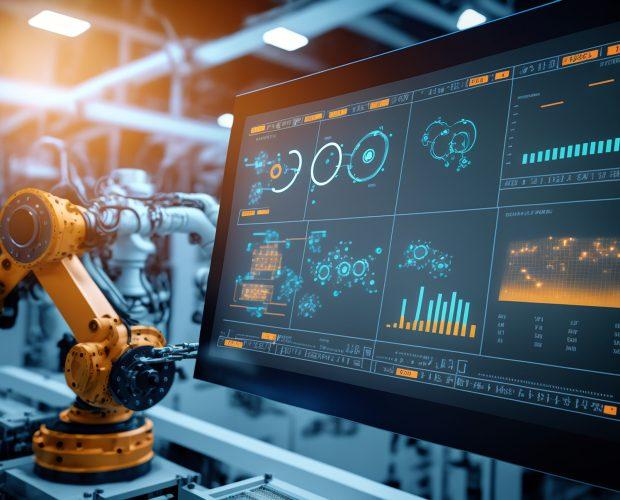
Industrial automation is transforming manufacturing faster than ever. Companies are adopting smarter technologies to increase productivity, reduce costs, and improve efficiency. In 2026, automation is no longer limited to large industries; even small and medium businesses are embracing intelligent systems to stay competitive. Here are the top 10 industrial automation trends expected to shape the future of manufacturing in 2026.

1. Artificial Intelligence (AI) in Manufacturing

Artificial Intelligence is becoming a key part of industrial automation. AI-powered systems analyze machine data, predict failures, and optimize production processes automatically. Industries are using AI to improve decision-making and reduce operational downtime.

Benefits:

  • Faster decision-making
  • Reduced machine failure
  • Improved production efficiency

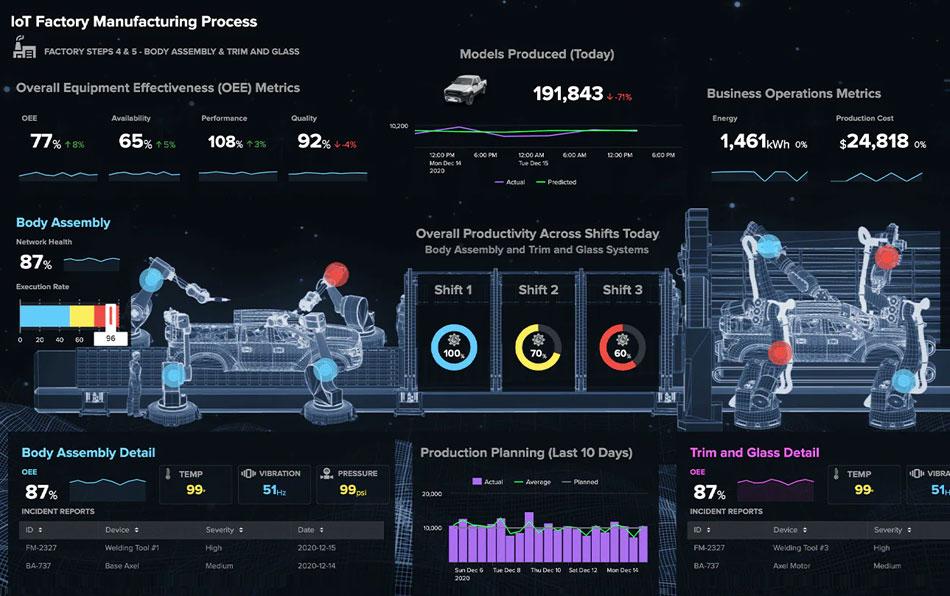
2. Industrial Internet of Things (IIoT)

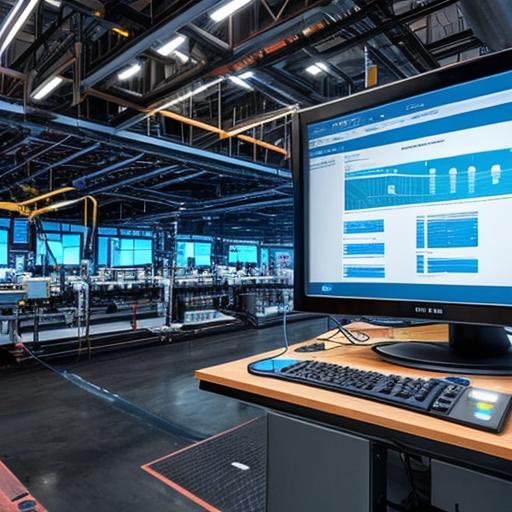
The Industrial Internet of Things connects machines, sensors, and devices through the internet. IIoT enables real-time monitoring and data collection from equipment on the production floor.

Benefits:

  • Real-time machine tracking
  • Better operational visibility
  • Predictive maintenance

3. Smart Factories

Smart factories integrate automation systems, cloud computing, and intelligent devices into one connected environment. These factories can self-monitor and adapt production processes.

Benefits:

  • Reduced manual intervention
  • Improved productivity
  • Lower operational costs

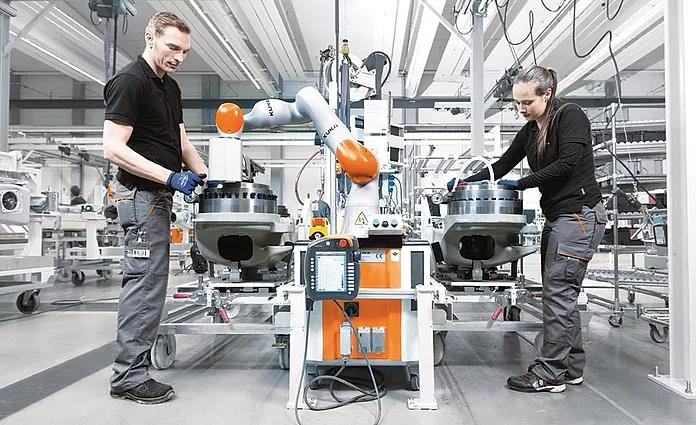
4. Collaborative Robots (Cobots)

Collaborative robots, commonly called cobots, work alongside human workers safely. Unlike traditional industrial robots, cobots are flexible and easier to implement.

Benefits:

  • Increased worker safety
  • Reduced repetitive tasks
  • Faster production cycles

5. Predictive Maintenance

Traditional maintenance waits for machines to fail. Predictive maintenance uses sensors and analytics to predict equipment issues before breakdown occurs.

Benefits:

  • Reduced downtime
  • Lower maintenance costs
  • Increased machine lifespan

6. Edge Computing in Industrial Systems

Edge computing processes data closer to machines instead of sending everything to cloud servers. This reduces delays and improves system response speed.

Benefits:

  • Faster processing
  • Lower latency
  • Improved real-time decision making

7. Digital Twin Technology

Digital twins create a virtual model of machines or manufacturing systems. Industries can simulate operations and detect issues before implementing changes physically.

Benefits:

  • Better planning
  • Reduced errors
  • Faster troubleshooting

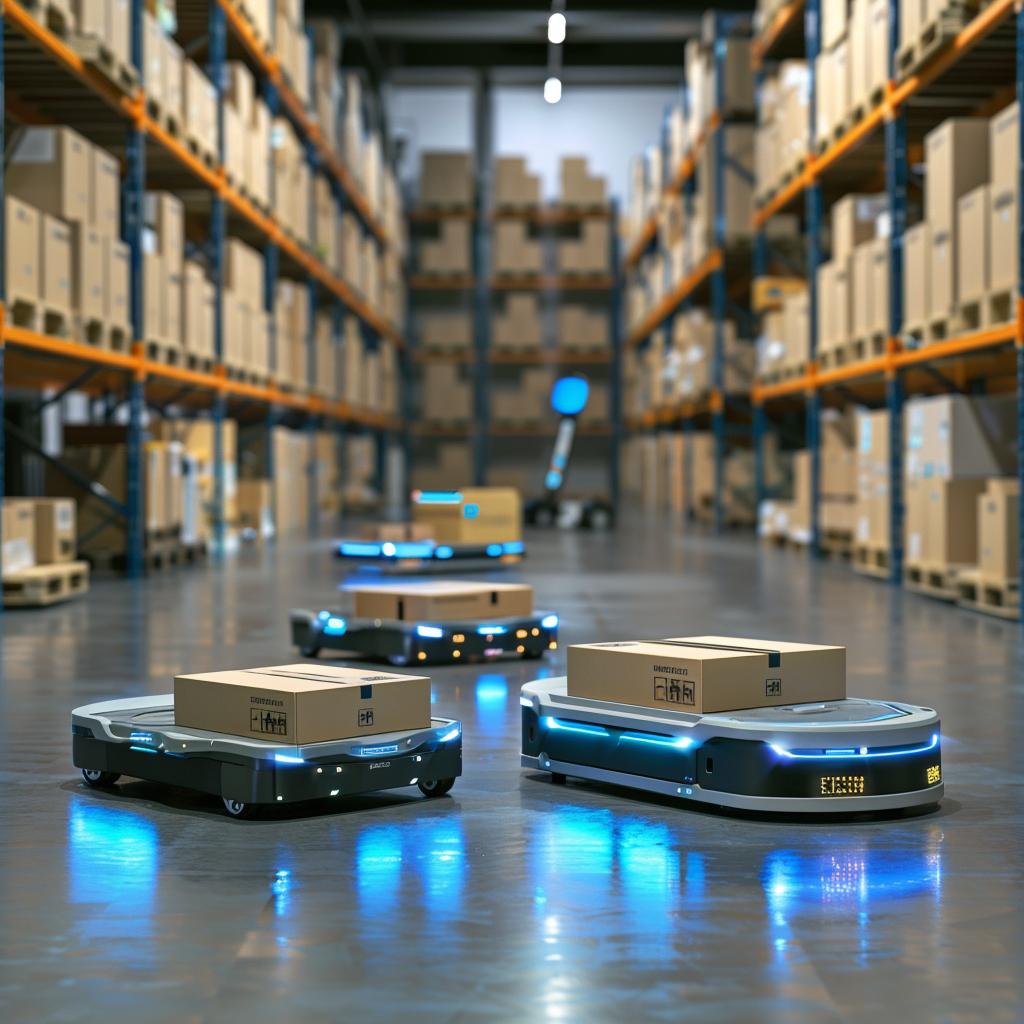
8. Autonomous Mobile Robots (AMRs)

AMRs are increasingly used in warehouses and factories for material transportation. These robots navigate independently without fixed tracks.

Benefits:

  • Reduced labor costs
  • Improved warehouse efficiency
  • Flexible operations

9. Cloud-Based Industrial Automation

Cloud platforms allow manufacturers to store and access production data from anywhere. Cloud automation improves scalability and remote management.

Benefits:

  • Remote monitoring
  • Lower infrastructure costs
  • Easier data access

10. Sustainable Automation Technologies

Industries are focusing on automation systems that reduce energy consumption and support environmentally friendly operations.

Benefits:

  • Lower energy usage
  • Reduced carbon footprint
  • Cost savings

Conclusion

Industrial automation in 2026 is driven by intelligence, connectivity, and efficiency. Technologies like AI, IIoT, predictive maintenance, and smart factories are reshaping manufacturing operations worldwide. Businesses adopting these trends early can improve productivity, reduce costs, and gain a competitive advantage.

As automation continues to evolve, companies should prepare to embrace these innovations and build smarter manufacturing systems for the future.