
Conveyor systems are one of the most important components in modern manufacturing and material handling industries. They help transport products efficiently, reduce manual labor, improve productivity, and streamline industrial operations. Proper conveyor installation is essential for smooth performance and long-term reliability.
This guide explains the complete conveyor system installation process, important considerations, and best practices.

What is a Conveyor System?
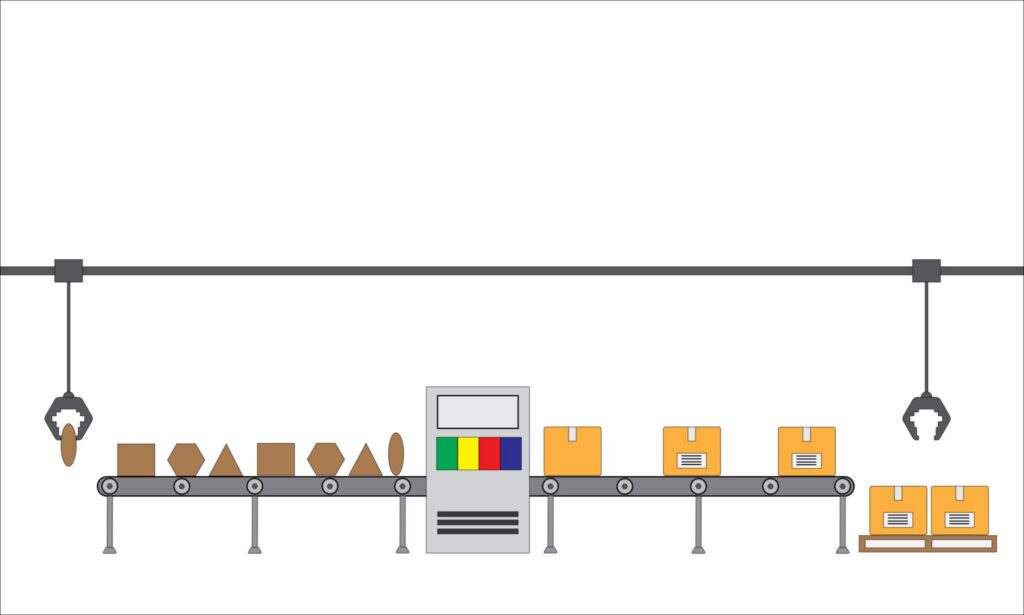
A conveyor system is a mechanical handling equipment used to transport materials from one location to another. Conveyor systems are widely used in industries such as:
- Manufacturing
- Packaging
- Warehousing
- Food Processing
- Pharmaceutical Industry
- Automobile Industry
- Logistics
Using conveyor systems helps businesses improve workflow and reduce operational costs.
Types of Conveyor Systems
Before installation, selecting the correct conveyor type is important.
Belt Conveyor
Uses continuous belts to transport materials.
Best for:
- Boxes
- Packages
- Lightweight products
Roller Conveyor
Uses rollers for moving products.
Best for:
- Heavy goods
- Warehouses
- Cartons
Chain Conveyor
Uses chains to move products.
Best for:
- Heavy industrial materials
- Pallets
Screw Conveyor
Used for transporting powder and bulk materials.
Best for:
- Food processing
- Chemical industries
Step-by-Step Conveyor System Installation Process
Step 1: Site Inspection and Planning
Before installation:
- Measure available floor space
- Analyze workflow requirements
- Check power availability
- Identify load capacity requirements
Proper planning reduces future operational issues.
Step 2: Layout Design
Create a conveyor layout according to:
- Production flow
- Machine positions
- Entry and exit points
- Safety standards
A proper layout improves efficiency.
Step 3: Foundation Preparation
Prepare installation area:
- Ensure flat surface
- Remove obstructions
- Check floor strength
- Mark installation points
Poor foundation may cause alignment problems.
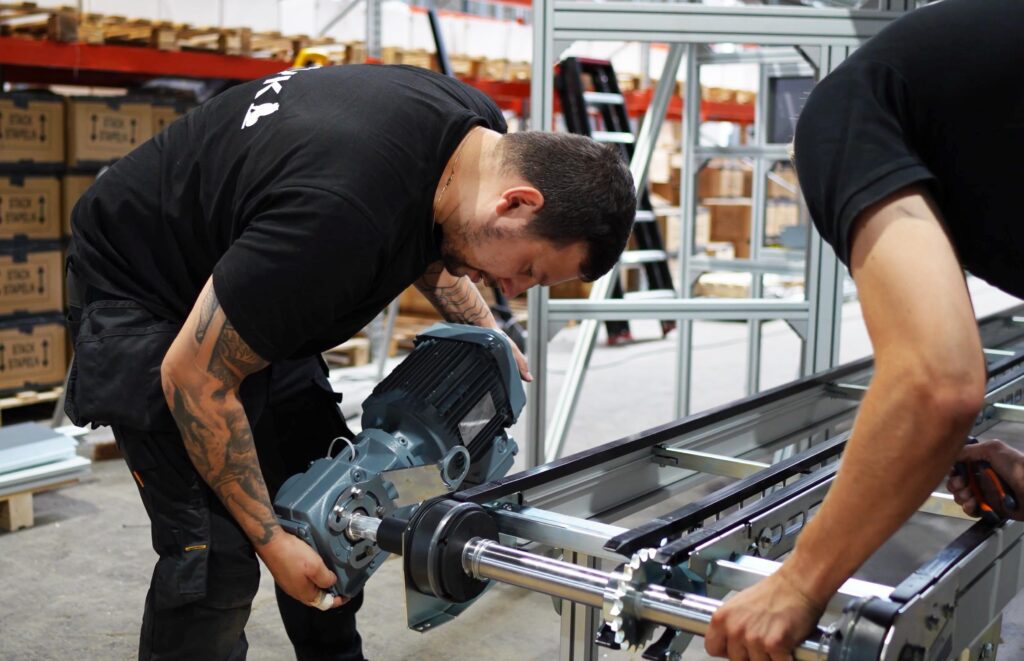
Step 4: Assemble Conveyor Components
Install:
- Frame structure
- Rollers
- Conveyor belts
- Motor assembly
- Support structures
Follow manufacturer specifications.
Step 5: Electrical Installation
Connect:
- Control panel
- Sensors
- Motors
- PLC systems
- Emergency stop buttons
Electrical setup should be done by trained professionals.
Step 6: Conveyor Alignment
Proper alignment is critical.
Check:
- Belt tracking
- Roller positioning
- Frame alignment
- Motor calibration
Misalignment can reduce conveyor life.
Step 7: Testing and Inspection
Before operation:
- Run empty test
- Check vibration
- Test emergency systems
- Verify speed settings
- Inspect all moving parts
Common Conveyor Installation Mistakes
Avoid these common errors:
❌ Poor planning
❌ Wrong conveyor selection
❌ Incorrect alignment
❌ Improper electrical connections
❌ Ignoring maintenance access
Conveyor System Maintenance Tips
After installation:
- Inspect belts regularly
- Lubricate moving parts
- Clean conveyor surfaces
- Check sensors
- Monitor motor performance
Regular maintenance increases equipment life.
Benefits of Proper Conveyor Installation
- Improved productivity
- Reduced labor cost
- Faster material handling
- Better workplace safety
- Increased operational efficiency
Conclusion
A properly installed conveyor system improves manufacturing efficiency and supports smooth industrial operations. Businesses should focus on planning, accurate installation, safety standards, and regular maintenance to maximize conveyor performance.
Whether for packaging, manufacturing, or logistics, investing in a professionally installed conveyor system can significantly improve workflow and productivity.