Industrial automation is transforming manufacturing faster than ever. Companies are adopting smarter technologies to increase productivity, reduce costs, and improve efficiency. In 2026, automation is no longer limited to large industries; even small and medium businesses are embracing intelligent systems to stay competitive. Here are the top 10 industrial automation trends expected to shape the future of manufacturing in 2026.
1. Artificial Intelligence (AI) in Manufacturing
Artificial Intelligence is becoming a key part of industrial automation. AI-powered systems analyze machine data, predict failures, and optimize production processes automatically. Industries are using AI to improve decision-making and reduce operational downtime.
Benefits:
- Faster decision-making
- Reduced machine failure
- Improved production efficiency
2. Industrial Internet of Things (IIoT)
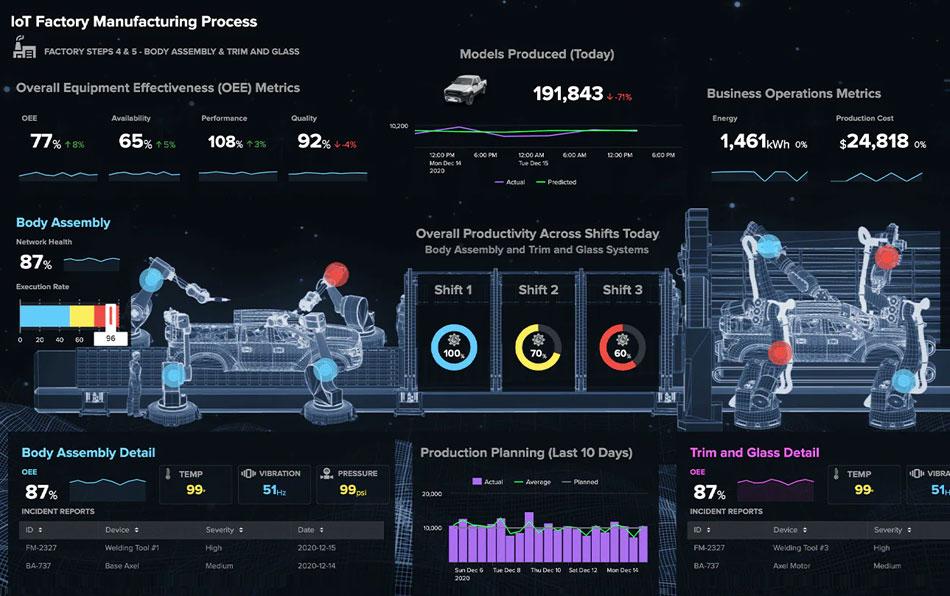
The Industrial Internet of Things connects machines, sensors, and devices through the internet. IIoT enables real-time monitoring and data collection from equipment on the production floor.
Benefits:
- Real-time machine tracking
- Better operational visibility
- Predictive maintenance
3. Smart Factories
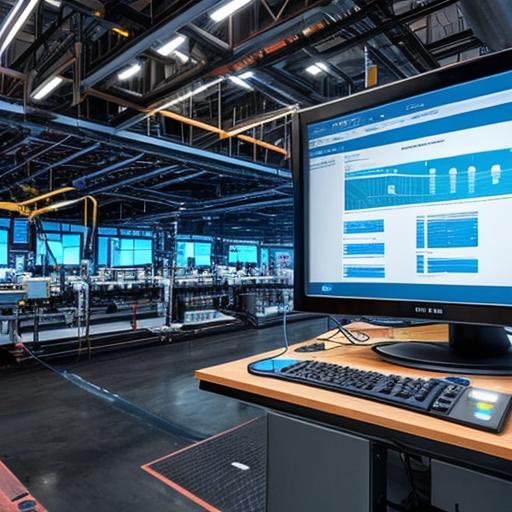
Smart factories integrate automation systems, cloud computing, and intelligent devices into one connected environment. These factories can self-monitor and adapt production processes.
Benefits:
- Reduced manual intervention
- Improved productivity
- Lower operational costs
4. Collaborative Robots (Cobots)
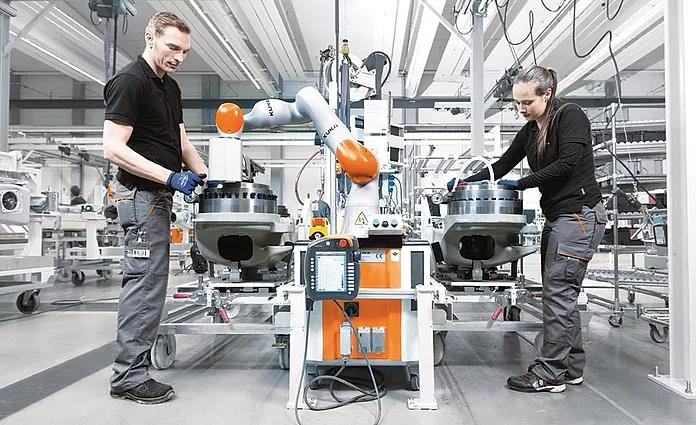
Collaborative robots, commonly called cobots, work alongside human workers safely. Unlike traditional industrial robots, cobots are flexible and easier to implement.
Benefits:
- Increased worker safety
- Reduced repetitive tasks
- Faster production cycles
5. Predictive Maintenance
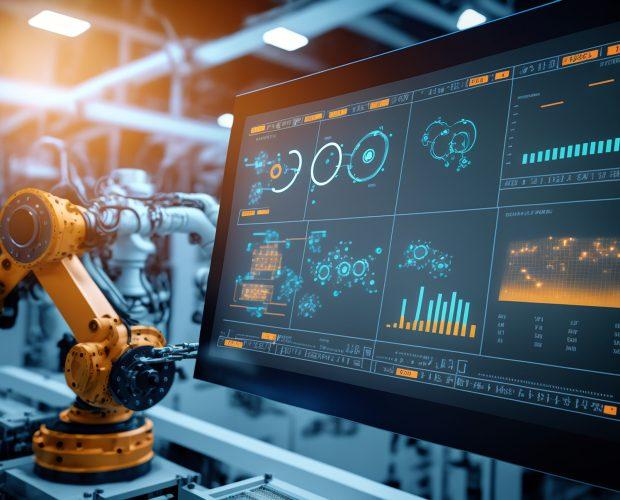
Traditional maintenance waits for machines to fail. Predictive maintenance uses sensors and analytics to predict equipment issues before breakdown occurs.
Benefits:
- Reduced downtime
- Lower maintenance costs
- Increased machine lifespan
6. Edge Computing in Industrial Systems
Edge computing processes data closer to machines instead of sending everything to cloud servers. This reduces delays and improves system response speed.
Benefits:
- Faster processing
- Lower latency
- Improved real-time decision making
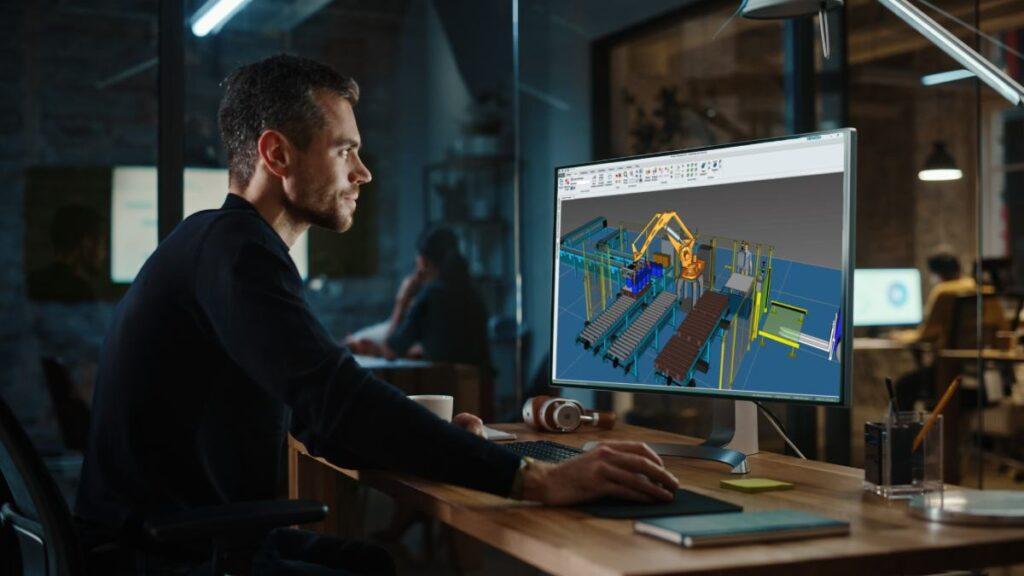
7. Digital Twin Technology
Digital twins create a virtual model of machines or manufacturing systems. Industries can simulate operations and detect issues before implementing changes physically.
Benefits:
- Better planning
- Reduced errors
- Faster troubleshooting
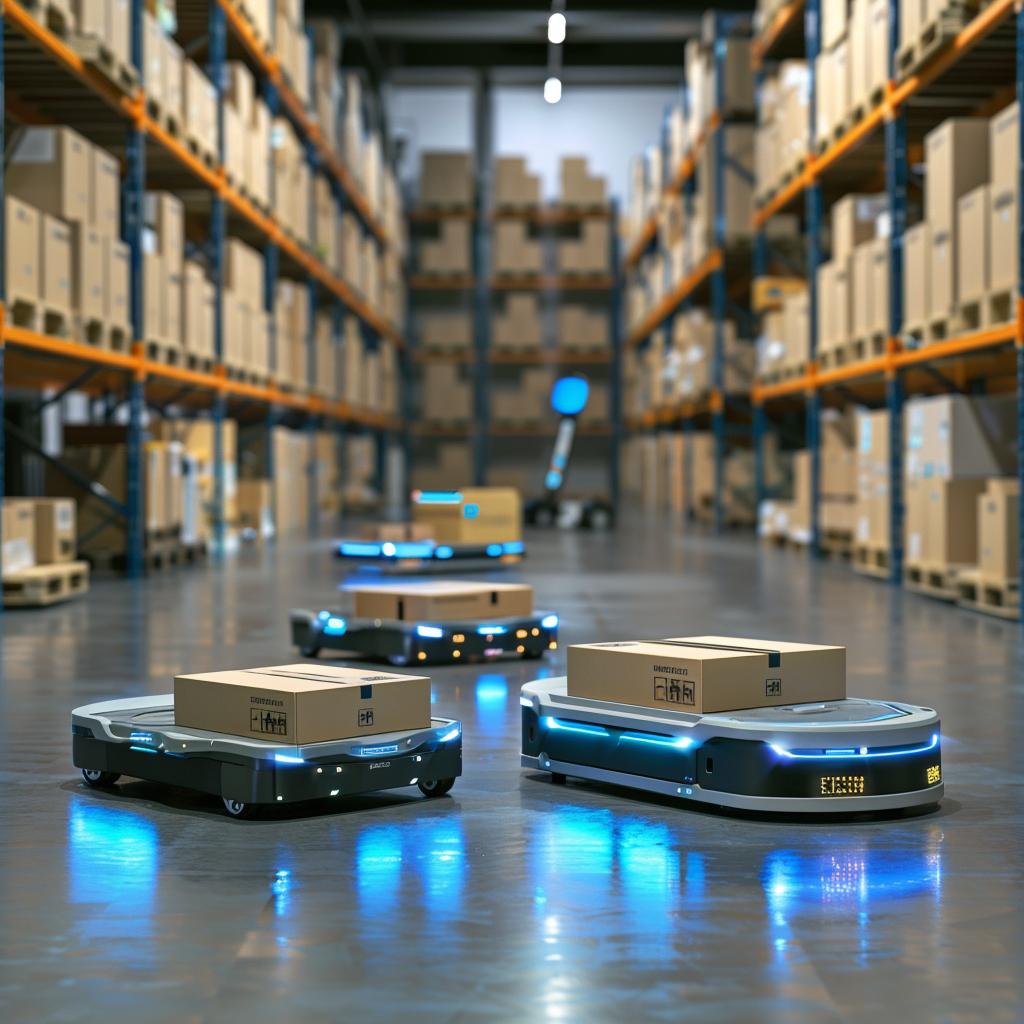
8. Autonomous Mobile Robots (AMRs)
AMRs are increasingly used in warehouses and factories for material transportation. These robots navigate independently without fixed tracks.
Benefits:
- Reduced labor costs
- Improved warehouse efficiency
- Flexible operations
9. Cloud-Based Industrial Automation
Cloud platforms allow manufacturers to store and access production data from anywhere. Cloud automation improves scalability and remote management.
Benefits:
- Remote monitoring
- Lower infrastructure costs
- Easier data access
10. Sustainable Automation Technologies
Industries are focusing on automation systems that reduce energy consumption and support environmentally friendly operations.
Benefits:
- Lower energy usage
- Reduced carbon footprint
- Cost savings
Conclusion
Industrial automation in 2026 is driven by intelligence, connectivity, and efficiency. Technologies like AI, IIoT, predictive maintenance, and smart factories are reshaping manufacturing operations worldwide. Businesses adopting these trends early can improve productivity, reduce costs, and gain a competitive advantage.
As automation continues to evolve, companies should prepare to embrace these innovations and build smarter manufacturing systems for the future.